
Summary
Owning a Cobble Hill brownstone is a privilege that comes with unique responsibilities. These iconic 19th-century homes require specialized care to preserve their historic beauty and structural integrity. From facade inspections to gutter cleaning, learn the 10 most critical maintenance tasks every Cobble Hill brownstone owner needs to perform. Brooklyn’s Best Handyman & Construction shares expert guidance on protecting your valuable investment while honoring Brooklyn’s architectural heritage.
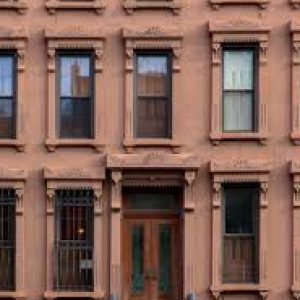
Cobble Hill is home to some of Brooklyn’s most stunning pre-Civil War architecture. The neighborhood’s well-preserved 19th-century brownstones earned it historic district designation, making these homes not just residences but important pieces of New York City’s cultural heritage. If you’re fortunate enough to own one of these magnificent properties, you understand that with great beauty comes great responsibility.
Unlike modern homes or condominiums where building management handles maintenance, brownstone ownership means you’re solely responsible for every aspect of your property’s upkeep. The soft sandstone that gives these buildings their distinctive character requires specialized care, and neglecting maintenance can lead to costly repairs that could have been prevented.
At Brooklyn’s Best Handyman & Construction, we’ve helped countless Cobble Hill homeowners preserve their historic brownstones. Here are the 10 most essential maintenance tasks you need to stay on top of to protect your investment.
1. Schedule Regular Facade Inspections
Your brownstone’s facade is its most defining feature—and its most vulnerable. The soft sandstone used in 19th-century construction is susceptible to spalling, cracking, and deterioration from exposure to rain, snow, pollution, and freeze-thaw cycles.
What to do: Conduct visual inspections of your facade every spring and fall. Look for crumbling mortar, cracks in the stone, loose pieces, or areas where water might be penetrating. Professional inspections should be scheduled annually, and you must comply with NYC’s Facade Inspection Safety Program (FISP), formerly known as Local Law 11, which requires inspection of facades on buildings over six stories every five years.
Why it matters: Crumbling mortar is the number one cause of water damage in brownstones. Early detection of facade problems can save you tens of thousands of dollars in repairs. Water intrusion can damage not just the exterior but also compromise your home’s interior walls, ceilings, and structural elements.
2. Maintain and Repoint Mortar Joints
The mortar between your brownstone’s bricks and stones holds everything together. Over time—often after 50 to 75 years—this mortar deteriorates into sand, creating pathways for moisture to enter your home.
What to do: Have your mortar joints inspected by a professional who understands historic brownstone restoration. When repointing is necessary, ensure your contractor uses historically appropriate mortar mixtures that match your building’s original composition. Different eras and quarry sources require different restoration approaches—a brownstone built in the 1850s needs different treatment than one from the 1890s.
Why it matters: Proper repointing strengthens your building’s structure, prevents water intrusion, and can last 50-75 years when done correctly with quality materials and craftsmanship. Poor repointing with modern Portland cement can actually damage historic masonry.
3. Inspect and Repair Your Stoop Regularly
The iconic brownstone stoop is both a beautiful architectural feature and a heavily used entrance that takes constant wear from foot traffic and weather exposure.
What to do: Check your stoop steps regularly for cracks, chips, loose stones, or shifting. Look for gaps where water could seep in and cause further damage during freeze-thaw cycles. Small repairs should be addressed immediately before they become major structural issues.
Why it matters: A damaged stoop isn’t just unsightly—it’s a safety hazard for your family and visitors. Cracked or unstable steps can lead to trips and falls, and water penetration can cause the entire structure to shift or crumble. Stoop replacement is significantly more expensive than timely repairs.
4. Keep Gutters and Downspouts Clean and Functional
Your gutter system is your brownstone’s first line of defense against water damage. Clogged gutters can cause water to overflow and penetrate your facade, foundation, and interior spaces.
What to do: Clean your gutters at least twice per year—once in late spring after trees have bloomed and again in late fall after leaves have dropped. Check that downspouts are securely attached and directing water at least 6 feet away from your foundation. Consider installing gutter guards to reduce debris accumulation.
Why it matters: Water is the enemy of brownstone buildings. Overflowing gutters can cause facade staining, mortar deterioration, basement flooding, and foundation damage. A few hundred dollars in annual gutter maintenance can prevent thousands in water damage repairs.
5. Monitor and Maintain Your Roof
Most Cobble Hill brownstones feature flat or low-slope roofs that require regular attention. Roof leaks can cause extensive interior damage before you even notice them.
What to do: Inspect your roof twice yearly, looking for ponding water, damaged membrane, loose flashing, or debris accumulation. After major storms, check for any new damage. For brownstones with flat roofs, modified bitumen or EPDM rubber membranes are common roofing materials. Replace missing or damaged shingles immediately on sloped roofs.
Why it matters: Roof leaks can damage interior ceilings, walls, and your facade from the inside out. Water that gets into your building envelope can cause mold growth, structural damage, and expensive interior repairs. A well-maintained roof protects everything underneath it.
6. Inspect Foundation and Basement for Water Issues
Most Cobble Hill brownstones have stone and mortar foundations that are over 100 years old. The mortar between foundation stones often deteriorates into sand, creating pathways for moisture to enter basements and cellars.
What to do: Check your basement regularly for signs of water intrusion—efflorescence (white powdery deposits), damp spots, musty odors, or visible cracks. Be especially cautious if your basement is fully finished, as drywall can hide foundation problems. Address drainage issues around your property to direct water away from the foundation.
Why it matters: Foundation problems are expensive to fix and can compromise your entire building’s structural integrity. Water in your basement can lead to mold growth, damage to mechanicals and stored items, and eventually undermine your home’s stability. Early intervention is crucial.
7. Service Your HVAC System Seasonally
Many Cobble Hill brownstones have been retrofitted with modern heating and cooling systems, but the ductwork, insulation, and system design can be challenging in historic buildings.
What to do: Schedule professional HVAC maintenance twice per year—once before the heating season and once before the cooling season. Have your system inspected, cleaned, and tuned up. Change filters monthly during heavy use periods. For brownstones with ductless mini-split systems, ensure the units are cleaned regularly.
Why it matters: Well-maintained HVAC systems run more efficiently, reducing your energy bills and extending the system’s lifespan. Regular maintenance prevents breakdowns during extreme weather when you need your system most. Older brownstones with inadequate insulation or airflow challenges benefit especially from optimized HVAC performance.
8. Maintain Plumbing and Address Leaks Immediately
Historic brownstones often have aging plumbing systems with galvanized pipes that may be reaching the end of their useful life. Modern plumbing upgrades must be carefully integrated into historic structures.
What to do: Inspect visible pipes regularly for signs of corrosion, leaks, or moisture. Check under sinks, around toilets, and in your basement. Address even small leaks immediately—a slow drip can cause significant damage over time. Have a professional plumber inspect your entire system periodically, especially if your home has original plumbing.
Why it matters: Plumbing leaks in brownstones can damage original woodwork, plaster, and flooring that would be expensive or impossible to replace. Water damage can also affect your facade from the inside, creating problems that manifest on the exterior. Burst pipes can cause catastrophic damage requiring tens of thousands in repairs.
9. Preserve Original Windows While Ensuring Energy Efficiency
The tall, elegant windows are a hallmark of Cobble Hill brownstones, but old windows can be drafty and energy-inefficient. However, if your home is landmarked, you may be required to preserve original windows.
What to do: Inspect window frames, sashes, and sills for rot, deterioration, or paint failure. Keep window tracks clean and hardware functioning properly. Consider having original windows professionally restored rather than replaced—this often provides better energy efficiency than replacement while preserving historic character. Use storm windows for additional insulation if needed.
Why it matters: Original windows in good condition can last another century with proper care. Window restoration is often more cost-effective than replacement, and it maintains your home’s historic integrity and value. Energy-efficient windows reduce heating and cooling costs while maintaining indoor comfort.
10. Document Everything and Plan for Ongoing Maintenance
Successful brownstone ownership requires treating your home as a long-term investment that needs ongoing attention and financial planning.
What to do: Keep detailed records of all inspections, repairs, and maintenance work performed on your brownstone. Take photos before and after projects. Create a maintenance schedule and budget for regular upkeep. Build a capital reserve fund for major projects like facade restoration or roof replacement. Develop relationships with skilled contractors who understand historic brownstone work.
Why it matters: Documentation helps you track your home’s condition over time and provides valuable information for insurance claims or future sales. Planning ahead prevents emergency situations where you’re forced to make rushed, expensive decisions. A well-maintained brownstone retains its value and becomes a cherished legacy you can pass down to future generations.
Protect Your Cobble Hill Brownstone Investment
Owning a Cobble Hill brownstone means being a steward of Brooklyn’s architectural heritage. These maintenance tasks may seem daunting, but they’re essential for preserving your home’s beauty, safety, and value. Many tasks can be handled with regular attention, while others require the expertise of professionals who understand historic brownstone restoration.
At Brooklyn’s Best Handyman & Construction, we have extensive experience working with Cobble Hill’s historic homes. We understand the unique challenges these buildings present and the specialized techniques required to maintain them properly. Whether you need help with routine maintenance, emergency repairs, or planning a major restoration project, we’re here to help you protect your investment.
Don’t wait until small problems become major expenses. Contact us today for a free consultation and let us help you develop a comprehensive maintenance plan for your Cobble Hill brownstone. Your historic home deserves expert care—and so do you.